Hola Blog!


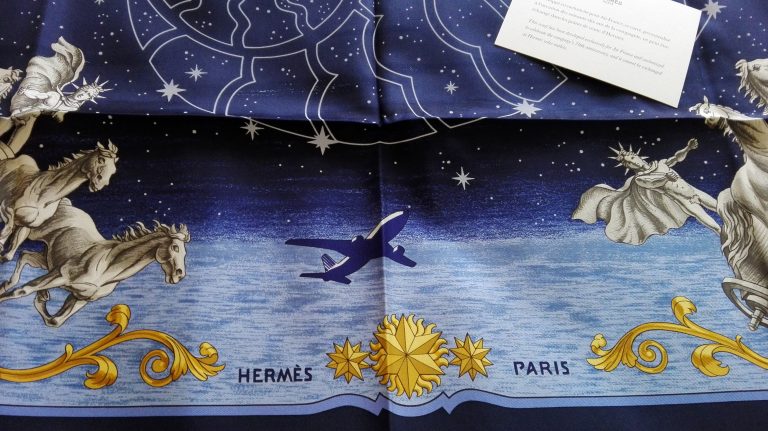
With more than 25 years of experience, Todocoleccion is a leading Spanish online marketplace for buying and selling antiques, art, books and collectibles. Its extensive catalogue and millions of lots sold to date make it the ideal portal for sellers and buyers of all kinds. In addition, on the platform you can use Orientaprecios, a tool with which you can check the market value of countless items, as well as find your favourite lots from among the 35 million available for sale. You can download the app or visit the website and join Todocoleccion‘s international community of collectors.

It is convenient that, before placing an order, you resolve all your doubts about the items you are interested in by carefully reading the ad description and seller’s payment and shipping methods. If this is not enough to clear your doubts, you must resort to the Questions and Answers section to communicate directly with the seller. Only after you have done this, and have solved all questions about it, should you place an order. This ensures that a lot is purchased only when buyer and seller fully agree on the method of payment and shipping, as well as the characteristics of the lot being sold.
if you need further support to get in touch with a seller, items inspection or arrange an overseas shipment, do not hesitate to get in touch with us.
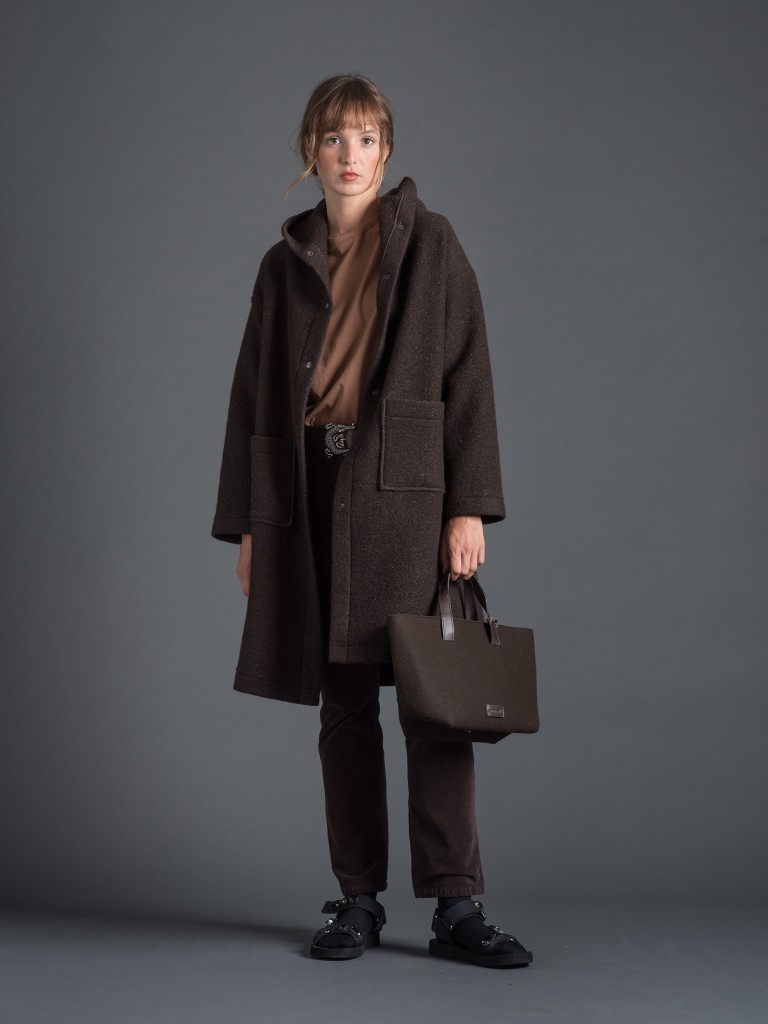
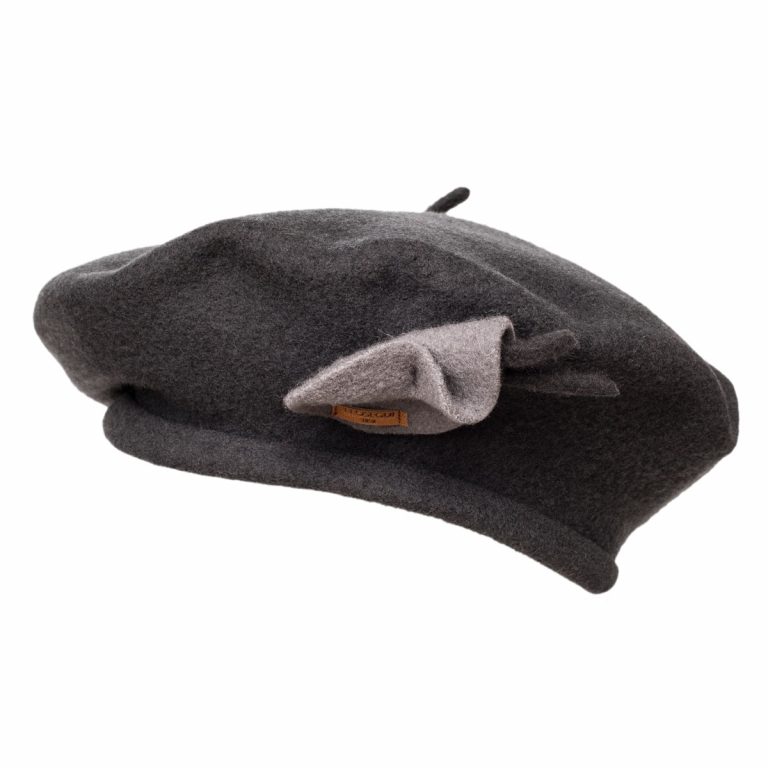
Coats, jackets, foulards and txapelas (berets) are iconic garments in mınımıl’s collections. This Basque brand outwear is best remedy against low temperatures and rain, because nobody knows how to wear winter like mınımıl. Finest quality wools, cottons, cashmeres, silks, taffetas and gauzes cut and sewn with precision are the basis for the creation of modern, functional and comfortable garments that enhance women in a natural way.
Contxu Uzkudun learnt her trade as a dressmaker in Pilar Usarraga workshop, who during the fifties and sixties trained young Basque women in the techniques and work systems that she learnt in the Isa house with Cristóbal Balenciaga.
Since then, the designer has been vindicating the figure of Balenciaga and his influence on fashion in Basque Country. In 1991 she organised and directed a congress-homage, with guests such as Hubert de Givenchy and Adolfo Domínguez, at the Miramar Palace in San Sebastián. After this event, the Cristóbal Balenciaga Foundation began to be formalised.
The mınımıl design studio is actively collaborating with Guggenheim Museum in Bilbao creating a special collection from the New Basque Style line – only available in the museum shop – which aims to bring Basque fashion and design to national and international visitors. London, Paris or Bombay are some of the cities they visit to find inspiration. The streets, shops, bars and galleries where they go to soak up trends are a secret they jealously guard. What they discover abroad, they adapt to the Basque style, capturing the shapes and landscapes of the Basque Country in the cut and colours of mınımıl designs.
In Spain, more than half of the rural villages are threatened to disappear. If our villages disappear, we lose their traditions, their culture and their ecosystems.
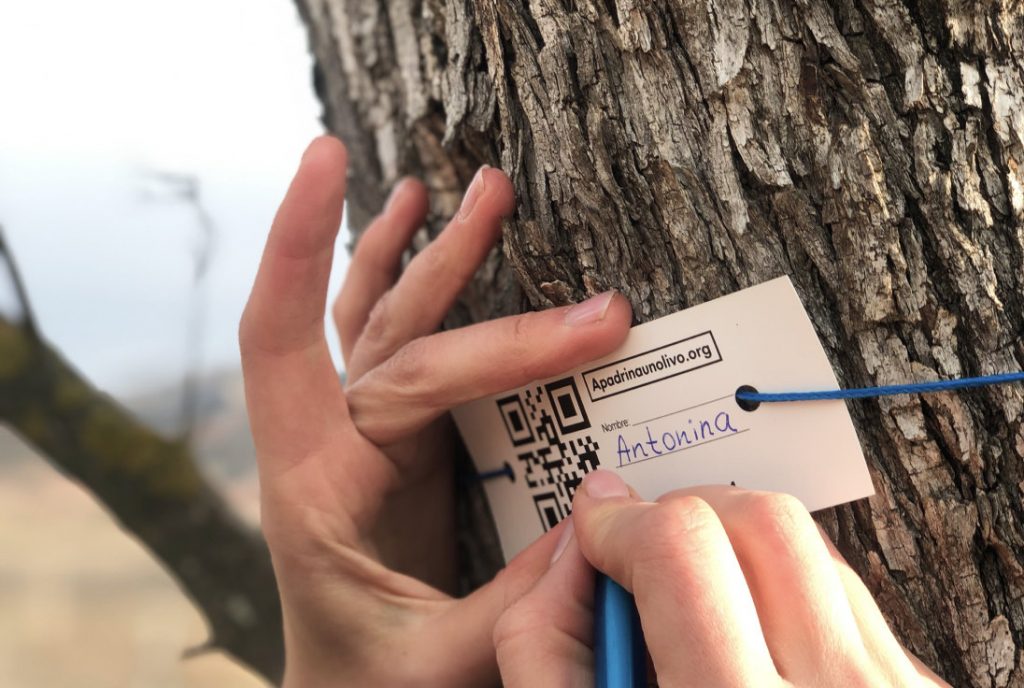
At Apadrinaunolivo.org they are recovering the abandoned olive trees of Oliete, a small village in Teruel that has seen its population decline in recent years. An environmental, social and sustainable rural development project. Life of an orange or olive tree can be very long, reaching up to 300 years, but unforeseen events (diseases, bad weather, etc.) can always occur and damage our tree. If there is any kind of problem with the sponsored tree, they will let you know and you will decide if you want to sponsor another tree.
As to citric trees, at Apadrina un Naranjo you can sponsor an orange or mandarin tree in their orchard in the province of Castellón. You will be able to watch it grow in your private area and receive your orange harvest at home. And if your tree does not bear fruit that year, they will provide you with the production of another trees.

Their initiative is based on you being the owner of your own orange or olive tree. Give it a name, as a tribute to someone you think deserves it, someone you want to surprise or simply the name of someone you don’t want to forget. Hey, or your own! They will send you a photo so that you can give it to that person as a gift or keep it together with the sponsorship certificate, which we will also send you. After the harvest, in which if you want you can participate and reduce the cost of the sponsorship, their teams will make sure that their supreme oranges or olive oil arrive safely at your home.
¡Arriba las ramas! Up the branches!
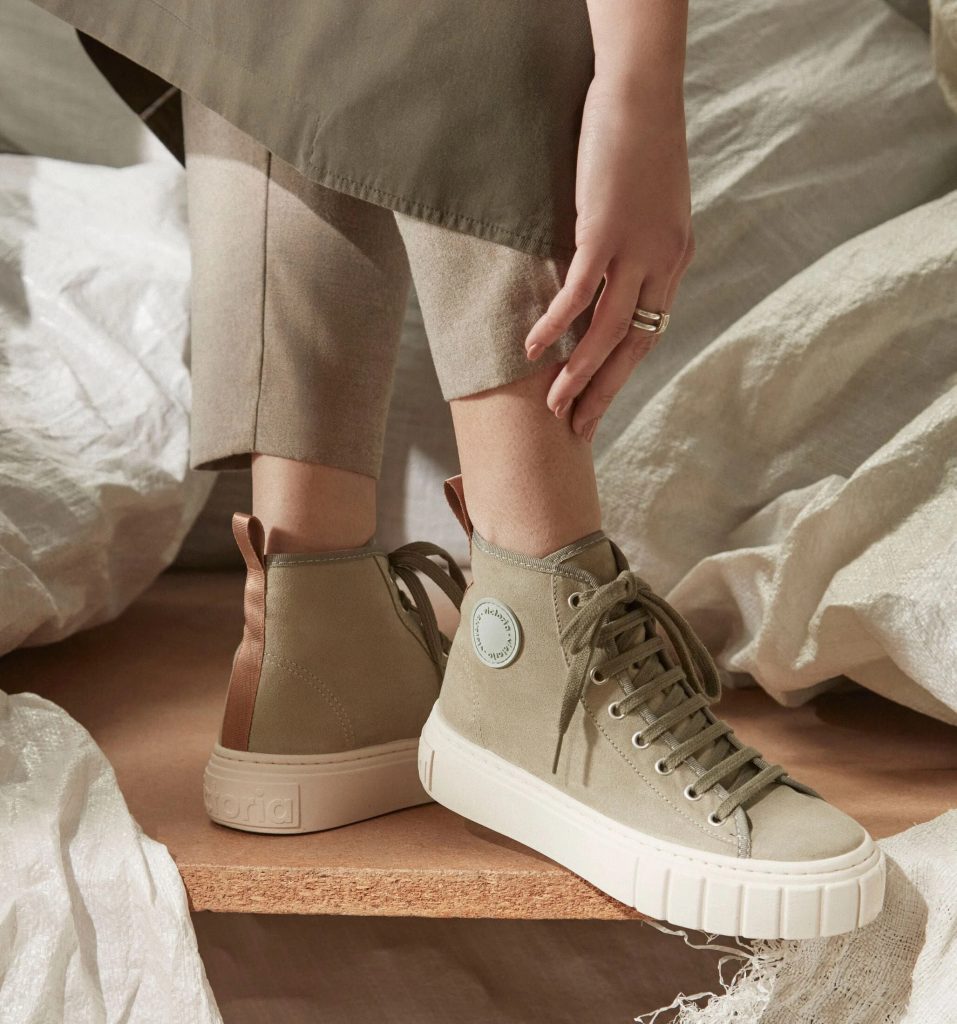
Canvas shoe with a rubber sole used in summer. This is how the Royal Spanish Academy of Language defines sneakers, also known as beach shoes or playeras. Although, many consumers know this type of footwear as Victoria, the name of the century-old Spanish shoe brand. Few companies manage to turn their name into a generic word to designate a type of product. Just as it is not usual to remain generation after generation for more than ten decades in a sector with so much competition.
It began with a love story in a small village in La Rioja. In 1915, Gregorio, a visionary craftsman, had the idea of creating a shoe which he named after his first love, his wife Victoria. It was already in the 1950s when the couple decided to use the recently invented vulcanised method, improving the durability of the union between sole and upper, to make slippers made of 100% cotton canvas – nowadays 100% organic cotton grown in Spain – and natural rubber.
This is how the English model, for which the brand is known, was born. During the 70s and 80s, the Inglesa became the symbol of an entire generation, increasing its sales by 400%, managing to impregnate itself in the popular imagination as a staple of the summer season.

In 2018 they relaunched their iconic English model, reclaiming artisan manufacturing, simple silhouettes and classic materials. Even Barbie herself stepped out of her vertiginous heels to put on a pair of Victoria platform shoes, with which they have gained the loyalty of young women between 15 and 25 years old, expanding their army of fervent followers.
Victoria is committed to recycled materials, with which they began more than 40 years ago, when the scarcity of raw materials meant that they had to make do with rubber from used tyres. The 2021 summer collection has 43 models made from recycled materials such as suede, rubber or cotton.
In addition, since 2017, and thanks to an R+D project, 70% of the soles are made with vegetable oil compounds from soya, instead of minerals, thus making them more biodegradable. In addition, since the beginning of 2020, all packaging has been made from recycled materials. Thus, all the boxes are made from 100% recycled cardboard and are not plasticised to make them more easily recyclable, while the online shipping bags are 70% recycled and reusable.
A successful philosophy born out of a love affair that several firms have wanted to take advantage of with fruitful collaborations, such as those carried out with Calzedonia, Ion Fiz, Dolores Cortés or Leandro Cano, among others.
This brand was founded in 1858 by Antonio Elosegui in Tolosa (Gipuzkoa). At this time Elosegui made only around fifty berets a year. By 1915, Elosegui was making 3,500 berets each year and selling them across Europe and as far away as the United States, Cuba and the Philippines. Today Boinas Elosegui is one of the market leaders in berets and is the only Spanish company to make fine quality basque berets from weave to finish with the entire process carried out by hand and traditionally made in 100% merino wool. There was a time that there were many small manufacturers spread across Spain, but there is only one left: Boinas Elósegui in Tolosa, the heart of the Spanish Basque land.
The quality and design of the garments it manufactures and the production methods it uses are the raison d’être of Boinas Elosegui. A global environment and a highly competitive textile sector have forced Boinas Elosegui to be increasingly competitive, adapting to new market trends, both for women and men, and children lately. As a result of this work, new, more modern and youthful proposals have arisen, all designed and made in-house.
Beret hats usually reflect a particularly European aesthetic and are great accessories if you want to stand out in the crowd. They sit on top of your head at an angle and are decidedly asymmetrical. It is this unbalanced configuration that assists in their unique look. We can say that this piece of headdress is considered a symbol of the Spanish outfit. It has always been a garment that has protected us from the cold and gives us a touch of elegance and distinction. Spain has a long tradition of wearing and making berets, ‘boinas’ or ‘txapelas’.
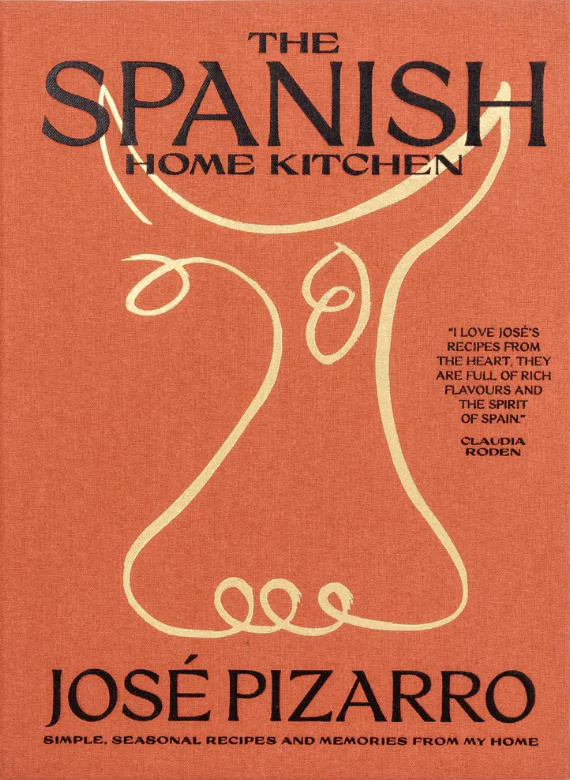
José Pizarro has gone and done it again. The Spanish-born, London-based chef has published a new cookbook called The Spanish Home Kitchen.
Fans of his cuisine are going to love this book in particular as it features a collection of more than 80 recipes from all over Spain, but specifically from Pizarro’s family home. He travels back to the house he grew up in for inspiration. The result is a beautiful selection of dishes that any home cook would love to prepare.
The book includes everything from more modern recipes to his childhood favorites, including tomato soup with figs; broad bean tortilla; clams in spicy tomato sauce; cuchifrito with preserved lemon salsa; pinchos morunos; mushroom- and truffle-stuffed spatchcock chicken; pan-fried halibut; migas with fried egg, chorizo, and bacon; seared squid with caramelized fennel and onions and lemon and parsley dressing; among many others. Dessert recipes include favorites like pistachio ice cream and cherries in aguardiente syrup.
There are plenty of photos of the house he grew up in in Extremadura, him as a young boy, and him and his mother, which make it a lovely and personable cookbook/photo album. As he grew up on his family’s farm, there was an important focus on mealtime, with recipes being passed down from generation to generation. Says the chef, “Memories are an essential ingredient in my cooking,” and this book is a perfect reflection of that.
Fans of his cooking will be delighted to see him serving up his most emblematic dishes, which includes favorites such as Ibérico presa, strawberry gazpacho, and leeks with romesco sauce at the former and Galician empanadas, spicy prawn fritters with alioli, tortilla, and ham at the latter.
“I’m extremely proud to be at the Royal Academy of Arts, which is one of the most important —if not the most important— art institutions in the whole world. I’m thrilled to be able to raise awareness about Spanish gastronomy in a place so diverse and so full of culture. I’m over the moon. For me, art is very important and I enjoy it almost as much as cooking,”
Her continuous presence on the catwalks has created a style of her own that reinforces the maxim of Guillermina Baeza’s philosophy: “Swimwear and lingerie are not mere accessories. Today they are as important as outerwear”.
Guillermina Baeza’s great merit has always been to adapt to the needs of the market, thanks to her intuition, covering the different market segments according to styles, tastes and ages. Today she is a prestigious and emblematic figure in Spanish swimwear fashion, competing with the best European firms. Currently, alongside the designer is also her daughter, Belén Larruy, at the head of the creative team, continuing the adventure that began 50 years ago with the same enthusiasm.

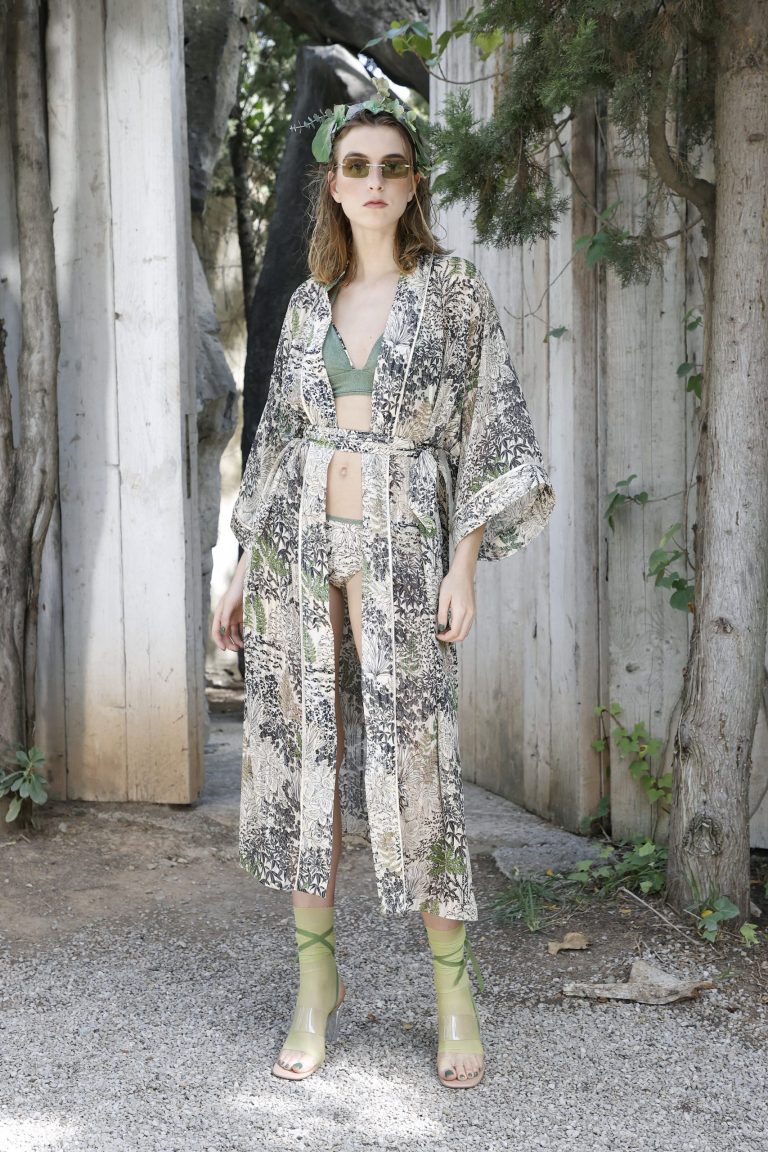
Pinks and fuchsias open Guillermina Baeza’s swimwear fashion this summer with bandeau necklines and panties that caress the waist. Little by little we see more and more prints and a bikini in make-up tones with a red shirt with small drawings in ecru. We see garments with squares formed by lines of different colours and swimming costumes with strapless necklines that show draping and lacing on the side. The lace comes out of the drawer of the chest of drawers and reaches the swimming pool adorning necklines and the laces of the floral panties. We also see lace ready to get wet and not lose its romantic essence. Soft mauves and greens stand out against a nude background, and give way to halter-neck swimming costumes and bikinis with metallic beads on the elastics. Proportions are reversed, with bikinis shrinking to mini sizes and bags increasing to XXL sizes.
Baeza puts a lot of effort into the details and creates embellishments inspired by sea debris lying on the sand. As Guillermina said “Fashion is a present with an eye to the future. Fashion is innovation”.
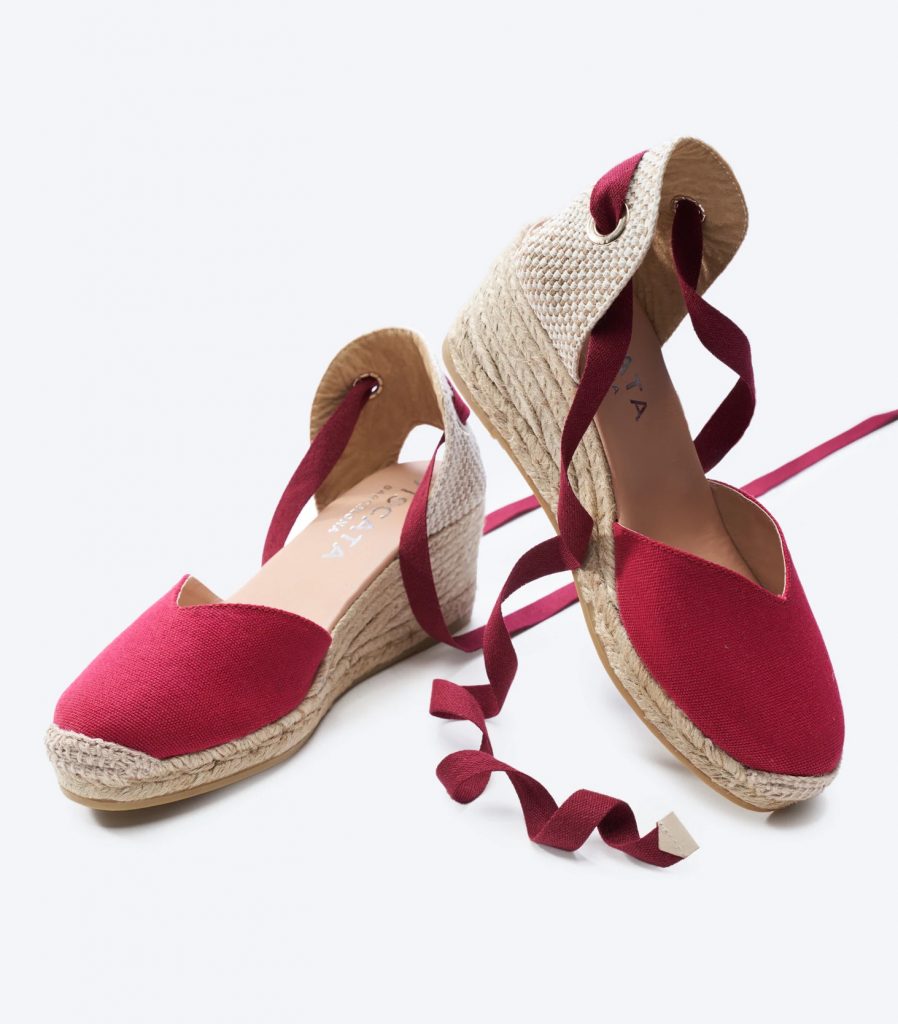
The espadrille. alpargata or esparteña is a type of footwear made of spun natural fibres such as cotton, wicker or canvas with soles of esparto, fique or hemp, or a mixture of jute or esparto grass which is secured by simple fastening, a piece of elastic sewn to the fabric or with ribbons. The original and true espadrille has been handcrafted since the 13th century in the villages of southern France, northern Spain and Balearic islands. Authentic espadrille-making is an art that has almost disappeared due to globalization.
In the early days, the soles of the espadrilles were only made of rope. Since the 40s a fine layer of natural rubber has been added to the bottom of the soles to make them more durable. Soles are heat pressed in a metal mold by melting vulcanized natural rubber onto the rope sole without the use of any glue or chemicals.
The cotton canvas is manufactured along the Cantabric and Mediterranean coast of Spain, widely known for the quality and singular beauty of its traditional weaving. This highly complex procedure involves hundreds of dyed colourful threads that are woven together on a loom, creating a beautifully designed canvas, perfectly customized to make the uppers of the espadrilles.
The last and most important step is where true magic happens through the skilled hands of the seamstresses of the village. A tradition that has been passed on from mothers to daughters throughout generations and consists of skillfully sewing the fabric onto the rope soles with even stitches and finishing with an embroidery at the front of the shoe.
Here a big question: Can I wash espadrilles? We would advice against putting them in washing machine. The canvas would be fine, but the jute sole could be damaged. If they do get a little dirty, wipe the canvas upper with soapy cloth or sponge, but do not submerge in water. This way the jute sole will stay stronger for longer.
But what if my shoes get wet? When the sole of the shoe is covered in natural rubber the bottom is protected from water. However, if you notice the jute rope has gotten slightly wet, just place the shoes where they can air dry.
Here some well-known Spanish manufacturers:
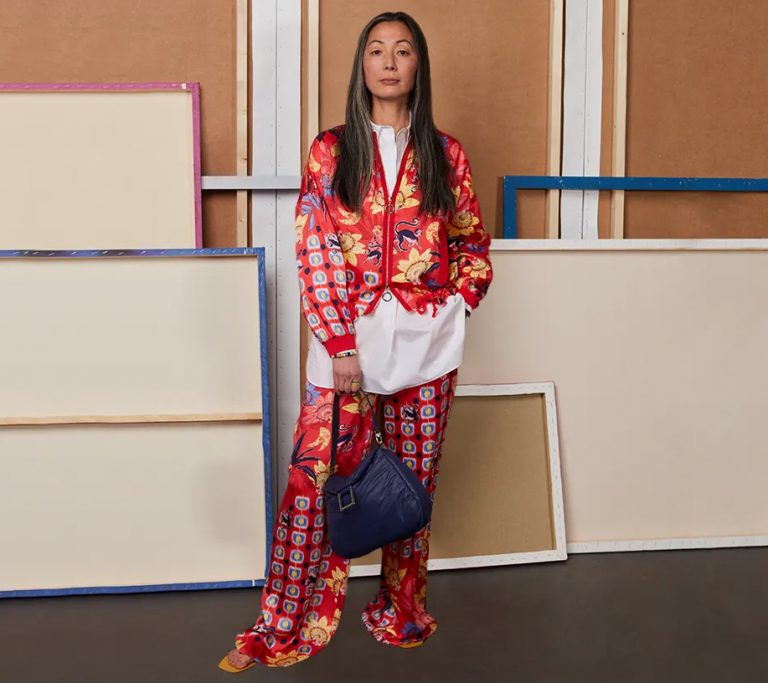
The story of Purificación García could well be the story of recent Spanish fashion. She was born in Galicia into a humble family. Soon after, her parents moved to Uruguay in search of opportunities that did not exist in Franco’s Spain. She spent her childhood and adolescence there, facing the sea. She met a boy, they fell in love, got married and moved to Canada, where Purificación did a master’s degree in Textile Engineering, with a fur business under her arm. Life, or their own wills, led them to New York, then to the Balearic Islands and finally to Barcelona.
Almost completely self-taught, while on the islands he began to dabble in garment design, not without some success. She personalised handbags and other handmade accessories. She arrived in Barcelona and decided to try her luck with her own brand. In a country that was waking up from military green and uniformity, design and industrial initiatives were welcomed with open arms. He presented his collections at Cibeles, Tokyo and Milan and even opened his own shop in Antwerp, whose famous Academy he became a member.

And then came the big break, he stepped off the catwalks to climb to the top of the industry. The Domínguez brothers had just split up. Adolfo had kept the name and part of the company and had given each of his brothers their share of the cake. Together, the three of them created STL, a new company that needed a name to serve as a business hook. They proposed it to Purificación García and she accepted.
A champion of good basics, among her great successes are white shirts, neutral trousers and the Origami bag, based on the famous Japanese technique, which the Galician designer described as “versatile, very practical and of very good quality”. The Origami is a technique that transforms paper into figures of different sizes which can range from simple models to very complex folding from a square initial base. The Origami has been featured in the brands collections for years and truly represents the brands DNA.