Hola Blog!


They approached the loom for the first time in 1984, out of personal curiosity: they loved that world, and they delved deeper into it alongside various master craftsmen, researching and working on individual and collective projects until, in 2004, they founded Belategui Regueiro, making this art a means of livelihood that they are passionate about and into which they have poured all their hopes and dreams.
Belategui is the second surname of Oscar’s mother (she has at least seven more of that kind) and Regueiro is the second surname of Luisa’s mother (who also has seven more of her own). Their brand is a direct tribute to their mothers and to the surnames that are lost because they do not appear in documents, but which they carry with them and are part of their essence, because their mothers are in what they are, and it is also a way of reclaiming the role of women.

Belategui Regueiro create garments, fashion accessories, and decorations made with fabrics that they weave on wooden looms, because yes: they weave as it has always been done, with their hands, and they use the fibers that have always been used in Galicia: wool and linen… but also all those materials that they can obtain, some more conventional than others: silk, alpaca, bamboo, neoprene, paper, cotton, rubber…
They like challenges (put them to the test!) which is why they pay special attention to research to incorporate those materials into the textile creation process, fusing them with more commonly used ones to achieve contemporary textures and finishes in textile art, providing solutions that they integrate into their designs while adapting to modern times without losing their essence.
Some of the garments Belategui Regueiro weave are dyed with natural dyes, such as indigo, using various techniques. They do botanical printing (in English, ecoprint) with leaves from plants and trees, and flowers that they collect from their surroundings (which are rural, rugged, bucolic, and pastoral), something that was used in all civilizations to color or print (or both) their fabrics.
They also use 19th-century photographic techniques to print shapes found in nature or those that occur to them on their fabrics, which are part of their creative process. All of this serves to create authentic pieces of textile art. Living pieces to be lived
Their way of seeing life and working keeps them in constant search of creating useful, comfortable, versatile, timeless, and innovative designs for people who seek quality and unique, non-mass-produced products. People who like to know who, where, and how the pieces they wear are made.
One of their objectives is the dissemination of textile art by participating in various events: exhibitions and conferences, and by teaching classes and giving demonstrations in various settings: rural women, educational centers or fashion schools.
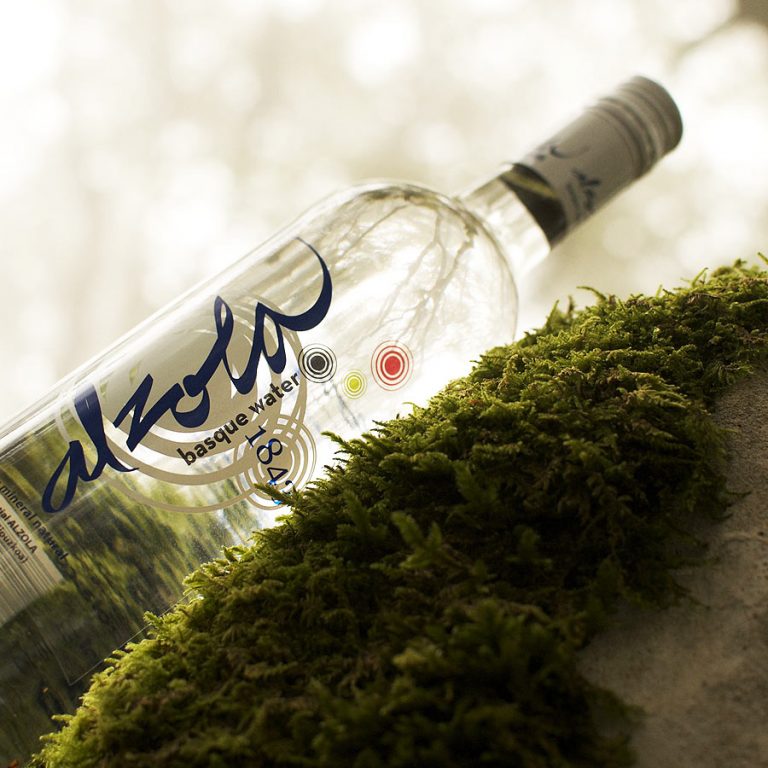
Aguas de Alzola reputation dates back to the Gran Hotel Balneario de Alzola era, where its well-deserved fame was confirmed every day by the experience gained in this magical spa. It is a highly diuretic water, not only because of the quantity taken, but also because of the stimulus that its components produce between the kidneys and bladder, this stimulus being the true protagonist of the diuretic property of Alzola’s natural mineral water.
It is a thermal water that emerges at a constant 29ºC temperature, without any change over more than 200 years of spring history. This thermality is due to the depth reached in the subsoil, around 700 metres deep into Basque Country lands.
Alzola Water has a unique mineral balance and its composition has never changed. It has its own characteristic flavour, smooth and soft touch. Alzola spring produces an excellent mineral water as recognised by international experts and this is proved by its hydrochemical diagram, one of the most balanced in the world. Benefits of Alzola’s bicarbonated waters have been known since 1801, when the first medical bathhouse in Europe was opened here. Its organoleptic and physicochemical properties make it unique. Due to the scientifically proven nature of its waters, Alzola spa was the first in Spain and Europe to open its doors with a doctor. Guidelines were established for the diagnosis and treatment of kidney disorders and nephritic manifestations.
This vintage leaflet, which served as a label on the glass bottles of the time, is a unique document in the geographical environment of the spring. It is a legacy from centuries for basque people to cultivate & love water culture.
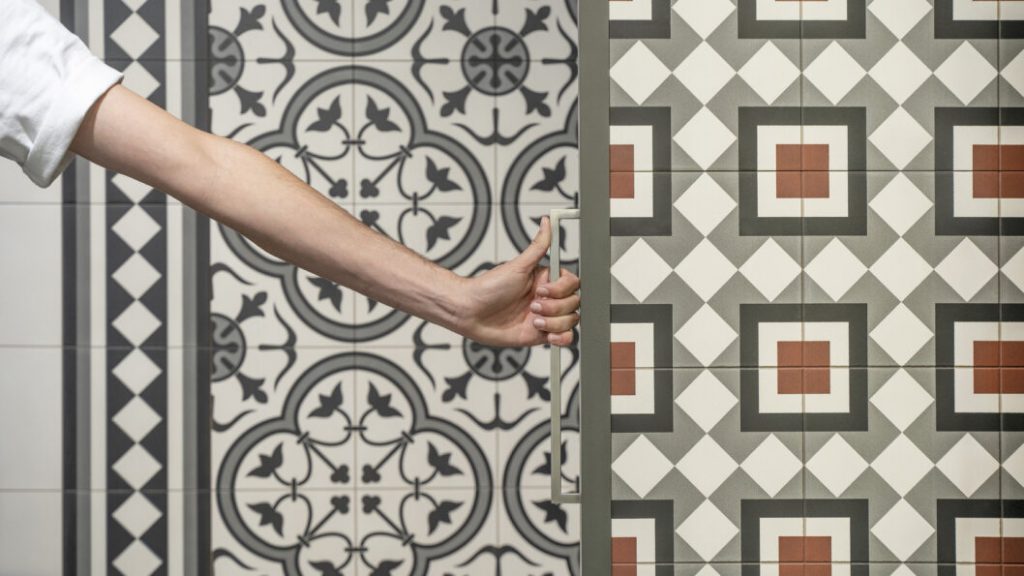
The wide variety of Spanish ceramic wall and floor tiles means that we can find pieces in an infinite number of formats that allow us to achieve interiors impregnated with originality and sophistication. When carrying out a home renovation, knowing how to play with the different tiles helps us to achieve the look we want in our home. From classic shapes such as squares and rectangles, through hexagonal or triangular formats to avant-garde designs with volume and relief. Each ceramic tile becomes a piece that perfectly combines design, functionality and creativity.
Classics never fail
Rectangular or square pieces are a classic that we should always bear in mind as, thanks to their modularity, they fit perfectly in all types of rooms and homes. We can play with vertical, horizontal or diagonal placement or mix and match tiles of different designs and colours to give each room an original and creative look.
If we join small pieces with or without volume, in different tones that combine with each other and with gloss or matt finishes, we will achieve wonderful optical effects. These mosaic pieces are widely used to cover curved surfaces, if we want to highlight a specific area or to define and differentiate environments, bringing a distinguished touch of originality to our spaces.

At the fairs we detect increasingly varied and sustainable products located in sophisticated environments and dedicated to wellbeing, a cast of material, organic, cultural and even futuristic designs full of reflections.
The green feeling is enhanced by ceramic surfaces inspired by Nature, conveying its material component. The obsession with wellbeing proposes products that are designed with high-tech solutions paying attention to sensorial elements. A simplified and clean version of retro with more neutral colours enhances the revised Nostalgia. And finally, in the field of sophistication, polished materials or high-gloss surfaces are proposed, where reflections play an essential role in taking interior design to another dimension.
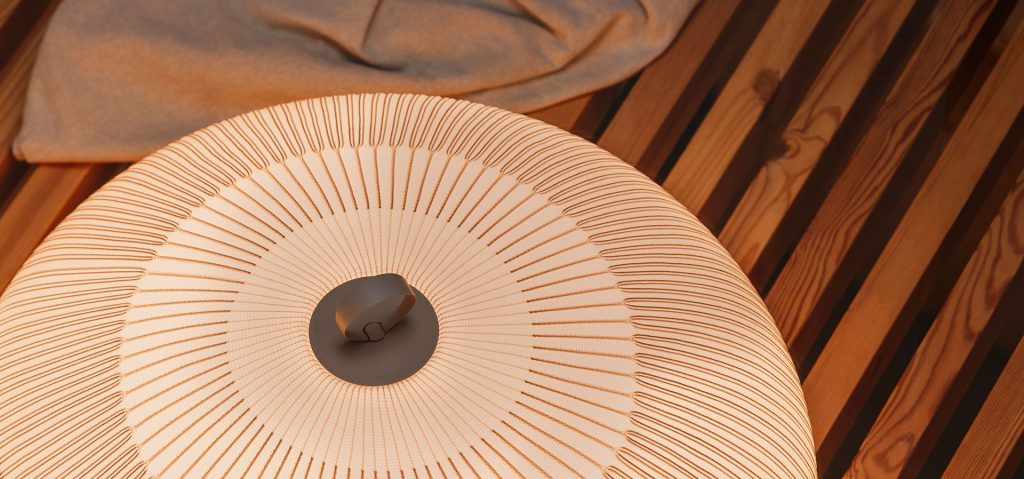
From its Valencian roots, Vibia has blossomed into a global lighting design powerhouse, captivating homes and spaces worldwide with its blend of Spanish elegance and cutting-edge innovation. Since its inception in 1985, Vibia has been a beacon of craftsmanship, perpetually pushing the boundaries of design and technology. Inspired by the rich cultural tapestry of Valencia, Vibia’s creations seamlessly blend traditional artistry with modern sensibilities. Their designs, graced by the touch of visionary designers, exude a timeless allure that transcends trends.
In a pioneering move, Vibia embraced the potential of LEDs in 1998, becoming a trailblazer in the realm of LED lighting solutions for both residential and commercial environments. This forward-thinking approach has firmly positioned Vibia as an innovator, offering energy-efficient, sustainable lighting solutions that epitomize both style and versatility.
Vibia’s designs have found their place in some of the world’s most iconic landmarks and architectural marvels, including the Guggenheim Museum Bilbao, the Four Seasons Hotel New York City, and the W Hotel Barcelona. Their products grace not only these grand structures but also private homes, offices, and retail spaces across the globe, illuminating spaces with a touch of Spanish elegance.

Vibia‘s commitment to sustainability runs deep, evident in their use of recycled materials and renewable energy whenever possible. Their long-lasting LED products significantly reduce energy consumption and minimize environmental impact, making Vibia a responsible choice for discerning consumers. Vibia has transcended its Spanish origins to become a truly cosmopolitan brand, effortlessly bridging the gap between traditional heritage and international design sensibilities. Their collections seamlessly blend classic styles with contemporary trends, appealing to a global audience with an appreciation for unique and sophisticated lighting solutions.
As Vibia embarks on the future, it remains steadfast in its devotion to craftsmanship, innovation, and sustainability. The company envisions a world illuminated by Spanish style, where spaces not only bask in radiant light but also exude the warm hospitality that defines Spain.
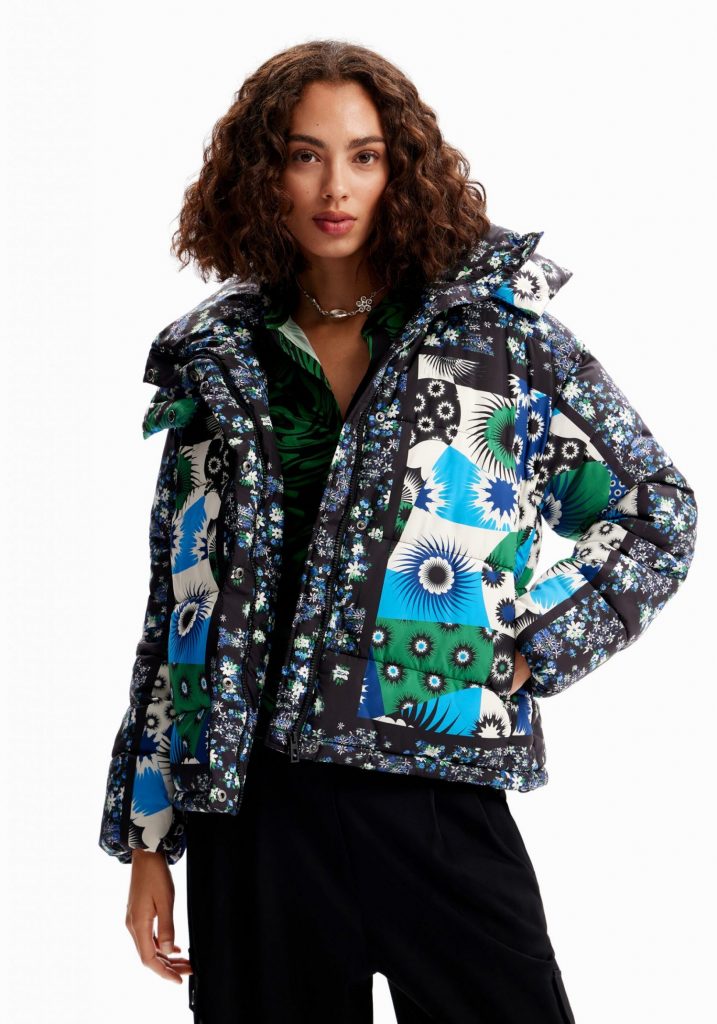
The company is embarking on its umpteenth turnaround to make it cool again, and the networks are backing it up. The return of the 2000’s aesthetic, with diversity as a rising value among the younger generations and some signs of exhaustion among mainstream fashion are some of the keys to the Spanish company’s new cool life.
Desigual has its own discourse and a clear personality, linked to fashion, art and creativity, which is now back in fashion. That identity is already in the very origins of the company: its name was born from an idea by Isabel Coixet filmmaker and its first logo, the Humans, was scribbled by Peret, the popular rumba singer.
In the 2000s, the explosion came: in the first decade of the new millennium, Desigual was the brand for which Adriana Lima and Bella Hadid (who made her debut at New York Fashion Week with the brand) paraded, and which made the news with provocative marketing campaigns.
Desigual is focused on a clientele from 25 to 40 years old, internally called expressionist, linked to art, fashion and culture. The company has recovered actions from its golden age, such as the one that invites customers to go to a shop in their underwear and get two free items to wear on top, and has made fun of itself to connect with the new generation on TikTok with videos that collect tweets from anonymous people who recognise that, for the first time, they like Desigual’s clothes.
In a sector in which most of labels belong to large corporations, Ramón Monegal (Barcelona, 1951) represents the independent genius who conceives his work as an art. “I like to work at night. It’s the moment when I’m intellectually better”. He is a member of one of the most important perfumers sagas in our country: his great-grandfather founded Myrurgia. In that legendary house, which was the Royal House supplier, he began his career. And his first fragrance, Alada, was a real revolution.
“I introduced green notes, which were not worn then. It was a success and everyone started believing in me.” That audacity is the hallmark of his eponymous firm. “I am very supportive of the Made in Spain seal. We have a brutal culture that we have not been able to exploit adequately.” After developing the Flamenco, Bravo or Fiesta juices, his new proposal is where Dolce far niente reaches its maximum expression: the iconic Siesta. A Mediterranean luxury synonymous with freedom. Dream, think, relax or seek pleasure. There is no schedule, no protocol, the only rule that should never be broken is: do not disturb.

For him, the future lies in the personalization of aromas. “We should dare to mix perfumes, which is not done because the industry says it’s not right.” Their custom orders can cost up to 60,000 euros. “I sell them at the price of an art piece” he says… Are they something else?
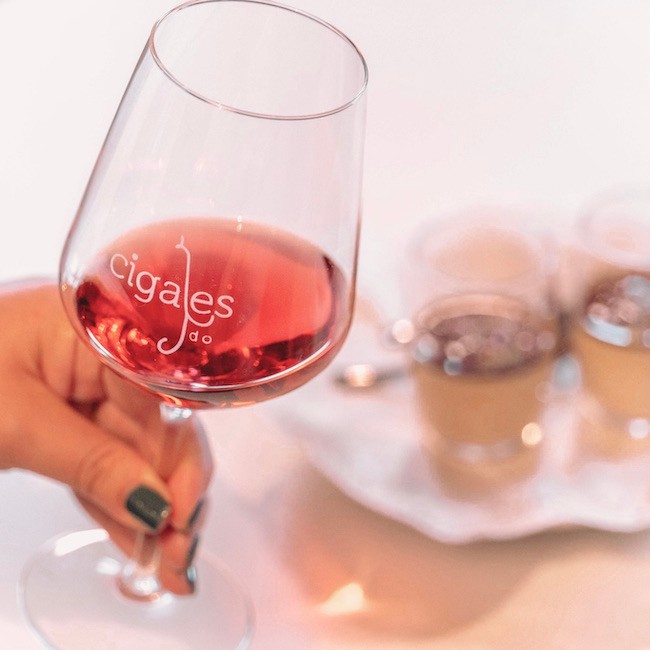
If Toro is known for its red wines and Rueda for whites, their neighbour Cigales, stretched out for 30 km along the banks of the Pisuerga river, is beloved for the deep pink rosé called Clarete, made from a high proportion of Tempranillo or Garnacha with, historically, white varieties that grew in the same vineyards thrown in, too. These are substantial yet fresh wines, with flavours of assorted red berries and perfumes of white flowers and herbs; they make great matches for prawns, salmon or charcuterie and have real personality in line with their strong colour.
“We are a historic region with lots of old vines and family wineries,” explains Juan Principe, fourth generation of Bodega César Principe, and they have their own way of doing things: “our clarete is a mix of red and white grapes, pressed all together and co-fermented”. The region is fiercely hot in summer (that river is essential to the vines’ wellbeing) and cold, with a threat of frost, in winter, with vineyards of sand, limestone and marl over clay and loam: the sand in particular came in very useful when the dreaded louse phylloxera reached Spain and began destroying Rioja’s vines. Since the pest cannot live in sandy soils, some very old vines survived in Cigales and still thrive there. Bodega César Principe has vines between 25 and 30 years old that the owners call young. Their old vines range from 60 years old to 130 and maybe more.
Because royalty left town in 1606, when Philip III established the new capital as Madrid, Cigales did not try to keep up with commercial winemaking; by the 20th century the region had been forgotten by the wider world and its inhabitants were humbly cultivating their vines for the Valladolid bars and their own consumption, without interference – and without adulteration. Pesticides were hardly used: the harsh climate was its own problem but it did at least prevent disease, especially when combined with vines grown at considerable altitude: between 650 m and 800 m. A wide range of varieties were cultivated: Tempranillo and Garnacha, but also white Verdejo and Albillo. Every family had their own blend for their clarete – and their own winery. (They still do: “In my village of 1,000 people there are 100 wineries,” says Juan Principe, and the rules demand only that the majority grape in a clarete is at least 50% of the blend.) And the heat, the height and the cool nights ensured wines with elegance, structure and lovely acidity.
Meanwhile, the reputation of the surrounding DOs, particularly Ribera del Duero, was growing. So it was surely only a matter of time before someone had the idea of showing that Cigales too could make a red wine that would match those claretes for quality.
From rosé to red
That someone was Maria Pinchado, whose family has been making wine here for three generations. Working as an oenologist in Ribera del Duero, she met consultants Pepe Hidalgo and Ana Martín. “We became really close, personally and professionally,” says Pinchado, “and decided to embark on what was, at that time, a new adventure in the Cigales DO: to make a red wine in the land of rosé.” For Traslanzas, they chose a vineyard planted by María’s grandfather in 1945, that was, unusually for a region accustomed to field blends, planted almost entirely to Tempranillo. When that proved a success, they also turned their attention to rosé, both traditional and in a modern, paler style.
So now, Cigales is in a happy position. Not only do the region’s many winemakers have a proven specialty – and a pink one, just as rosé reaches undreamed-of heights of popularity – but they have also demonstrated that their terroir is ideal for red wines with ageing potential, as well. In 2000, Rioja’s Baron de Ley group, attracted by all those old vines, began building an impressive winery filled with art: Finca Museum now makes some of the best known, and highest priced, wines in the region. “We are very lucky to live in such a dynamic and inspiring place,” says Maria Pinchado, “one where the diversity of soils and the quality of the vines allow us to make a wide range of wines, each unique.” It has taken several hundred years for Cigales to start receiving the attention it deserves. But that’s all right: as those gnarled old vines, ancient bodegas dug out of the hillsides and delicious, long-ageing wines prove, this is a region that knows how to wait.
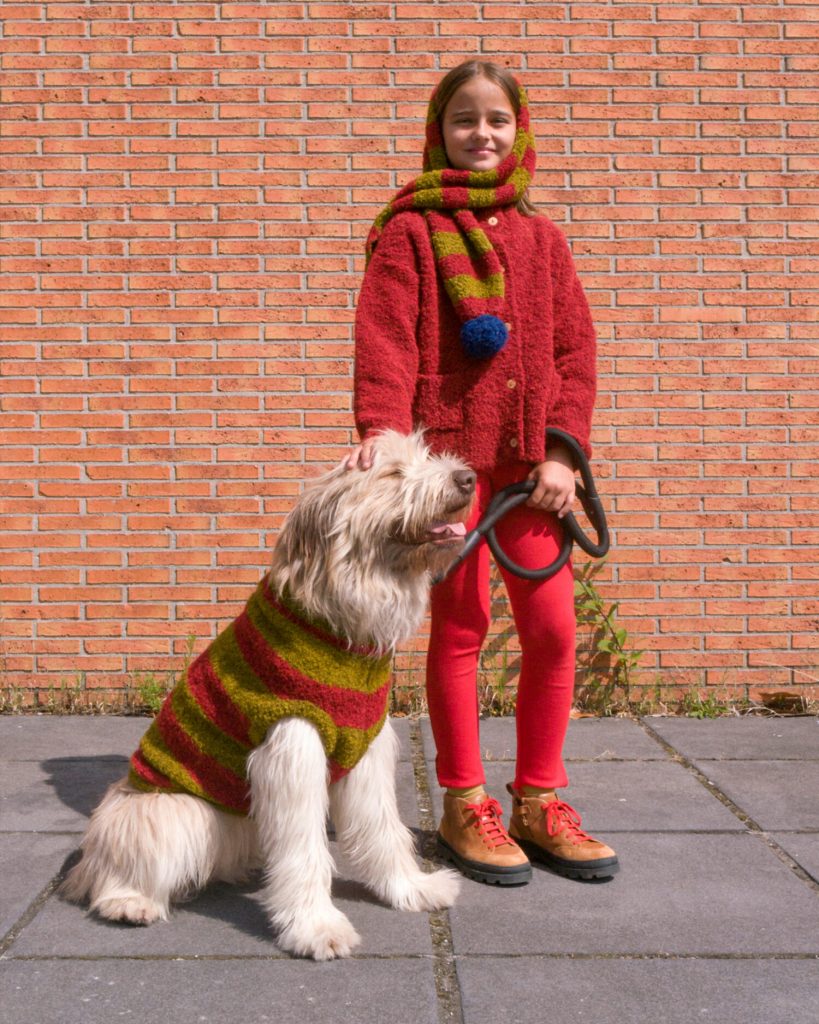
Antía Montero and Jorge Toba are two young entrepreneurs from La Coruña (Galicia) who four years ago embarked on the adventure of opening their own children’s fashion company, The Campamento, which is totally sustainable and environmentally friendly. In these four years they have taken a giant leap forward.
Sustainable and environmentally friendly, The Campamento manufactures its garments in Portugal with cotton certified by the Global Organic Textile Standard (GOTS) and works with The Better Cotton Initiative (BCI). “We seek to develop the project in a creative way. We don’t enter into Black Friday campaigns and we donate part of our sales to clean up the ocean. We want to be proud of what we do,” says Toba. The Campamento, which was founded in 2018 by him, a business graduate, and Antía Montero, a fashion designer, hopes to reach a turnover of 2 million euros in 2023, increase its points of sale and build customer loyalty.
The Campamento is a timeless brand that values protecting the environment and encourages creativity, fun, and passion. The brand’s philosophy is centered around seeing the world through the eyes of a child, facing difficulties with an optimistic vision of the future, and loving the planet. The collections are made mostly of organic fibers, and the brand places equal importance on both the designs and the way the clothes are made. The Campamento finds inspiration in the little details of day-to-day life, believing that beauty can be found anywhere with the right perspective.
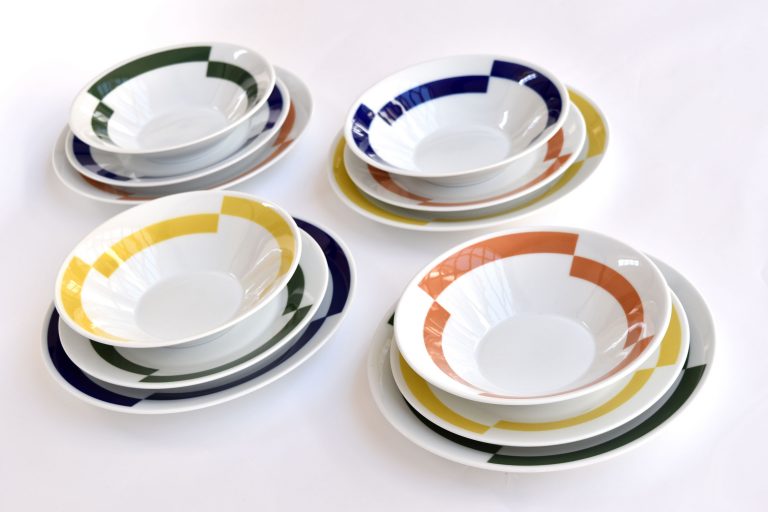
For over 200 years, heritage brand Sargadelos has been producing handmade porcelain designs in Spain’s northwestern region of Galicia. In recent decades, Sargadelos has employed a unique process of porcelain firing that results in beautiful and luminous colors. The pattern on this dinnerware is inspired by traditional forms and motifs found in Galician and Celtic cultures (The Galicians were originally a Celtic people during antiquity.)
Although Sargadelos is used to displaying its articles on the shelves of the MoMA shops in New York, it has never done so with such exclusivity: from now on, the Design Store of the museum institution, both in its physical establishment and in its online shop, has a set of plates made exclusively by the brand from Lugo.

For “a couple of years”, explains Segismundo García, owner of Sargadelos, the MoMA shop had already been selling pieces from the tableware company’s catalogue. After seeing some pieces in the design magazine ‘Wallpapper’, the New York museum contacted the factory to sell some of its products. Now, however, they wanted to go a step further and asked the Galician company for an exclusive collection.
Specifically, it is a variation of the Sargadelos P model: a set of four dessert plates, four bowls and four dinner plates. This set has been rethought for the MoMA, and breaks, above all in terms of colour, with what Sargadelos has become accustomed to: they have said goodbye to the blue so characteristic of their figures and tableware to include yellow, green and orange in this set. “We are going to continue in this line, we are incorporating more colours”, García assures, so it is to be expected that the future of Sargadelos will be even more colourful than the previous 200 years of history.