Hola Blog!


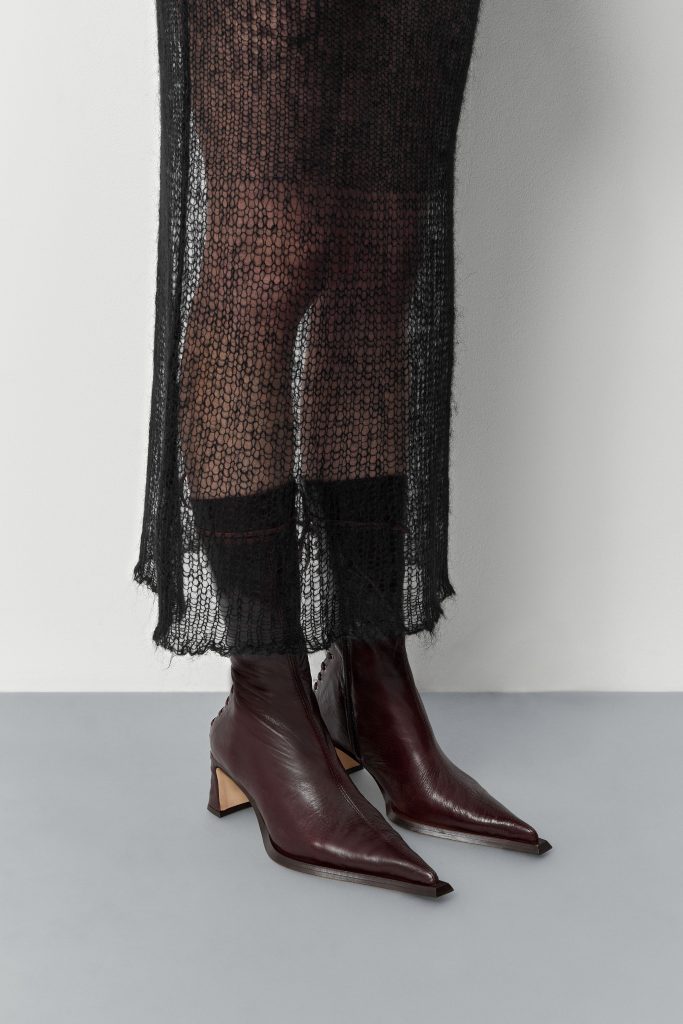
Zohran Mamdani has officially become New York’s first Muslim and millennial mayor, just hours after his inauguration. He was accompanied by his wife, Rama Duwaji, a 28-year-old Syrian-descended illustrator who captured fashion headlines with her modern, unconventional political style. For the inauguration at Old City Hall metro station, Duwaji wore an eye-catching outfit that prominently featured Spanish brand Miista boots.
Duwaji chose the Shelley model in black, handcrafted leather boots with a 6-centimeter heel, manufactured in Spain’s Miista factory. She completed her ensemble with a vintage Balenciaga coat, The Frankie Shop shorts and New York Vintage earrings. Interestingly, all her clothing items were borrowed, as explained by her new stylist, fashion editor Gabriella Karefa-Johnson – a deliberate statement in itself -.
Founded in London in 2010 by Spanish designers Laura and Pablo Villasenin, Miista emerged with a mission to create luxury investment pieces meant to last forever. In 2020, they established their own factory in La Coruña, a region renowned for textile production and home to major brands like Inditex, Bimba y Lola, and Adolfo Domínguez.
While maintaining their creative hub in London, the brand passionately embraces Spanish craftsmanship. Their philosophy centers on inspiring young people by showcasing the beauty of creating something from scratch and respecting generational traditions.
Miista has already dressed numerous celebrities including Madonna, model Candice Swanepoel, singer Charli XCX, and actress Suki Waterhouse. Now, Rama Duwaji joins this illustrious list, adding another success to this brand that beautifully combines tradition and design, proudly representing ‘made in Spain’.
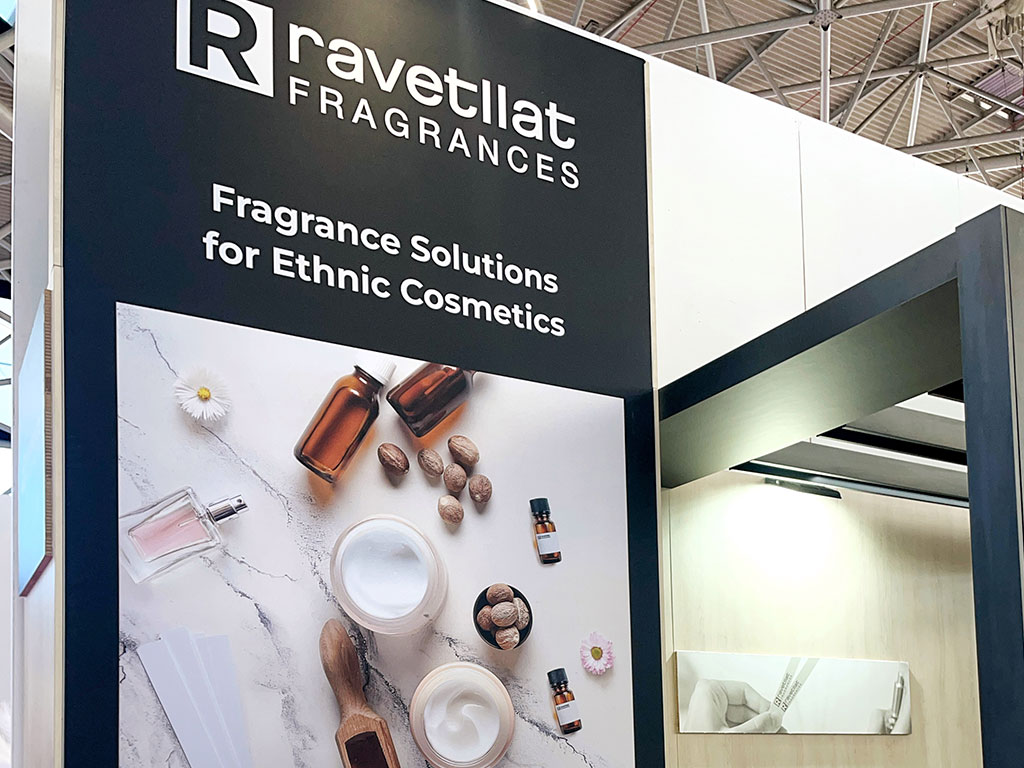
A family‑run perfumery founded in Barcelona in 1932, Ravetllat Aromatics operates at the intersection of heritage craftsmanship and contemporary style. For fashion editors and style‑minded readers, Ravetllat represents the kind of quietly authoritative brand that complements a curated wardrobe: scents engineered with technical precision and an eye for subtlety, meant to integrate with clothing and persona rather than overpower them.
The company’s nearly century‑long history gives its fragrances a narrative weight. Built as an aroma house that serves both niche perfumery and industrial clients, Ravetllat Aromatic’s work spans bespoke fine fragrances, personal care formulations, ambient scenting, and even flavours for food applications. This versatility means the brand is as comfortable backstage—creating signature scents for designers and stores—as it is deployed in editorial shoots or as a discreet finishing touch for an edited look.
A defining quality of Ravetllat is its Mediterranean provenance. Barcelona’s light, citrus groves, coastal air and artisanal culture surface in many of the house’s olfactory tendencies: clear citrus and green accords that translate perfectly to spring and summer editorials; warm ambers and resins that read like structured eveningwear for autumn/winter features; and powdery florals that sit well with minimal, monochrome styling. These scent profiles make Ravetllat Aromatics a practical choice for stylists who want fragrance to echo and extend the mood of an outfit—fresh and green for linen tailoring, spicy and resinous with leather, powdery with slip dresses and bridal minimalism.
Ravetllat’s role as a B2B creator also positions it as a behind‑the‑scenes collaborator for fashion houses and lifestyle brands seeking custom olfactory identities. In a market where sensory branding matters—from flagship boutiques to couture showrooms—Ravetllat’s technical know‑how and manufacturing capacity enable designers to commission signature scents that become part of a brand’s DNA. For fashion storytelling, that translates into rich editorial possibilities: profiles on the perfumer’s brief, features about scent development alongside a collection, or pictorials that pair specific notes with fabrics and silhouettes.
Styling with Ravetllat is straightforward and considered. For daytime editorials and officewear, etheric citrus and green florals work as an invisible accessory, brightening a crisp white shirt or linen suit without distracting. For evening and statement dressing, spicy ambers and smoky woods add depth to structured tailoring and leather, creating a resonance between fabric weight and fragrance intensity. Powdery white florals are the neutral choice, because many Ravetllat formulations are developed for longevity and stability across product types, they perform well when layered (light eau de parfum paired with a scented body oil or fragranced garment spray) or when used to scent environments like dressing rooms and show spaces.
Yes, 22 December is here, and with it one of the most traditional moments of the Spanish Christmas season: the Christmas Gordo Lottery Draw. In this post, you will not see any links to lottery administrations or similar sites because at Buy from Spain we reject betting and gambling in its entirety.
The Spanish Christmas Lottery, held every December 22, sells tickets as full billetes split into 10 décimos (ten parts). Each 5‑digit number repeats across series, so the same number can pay multiple times. Prizes include El Gordo (1st), 2nd, 3rd, two 4th, several 5th prizes, plus thousands of small awards (la Pedrea), reintegros (refunds for last‑digit matches) and approximations.
Critics call it a scam because the expected value per ticket is typically negative, organizers and the state retain a large share, many “winners” get only tiny amounts, and headlines emphasize big prizes while omitting that most players buy décimos or shares that yield much smaller payouts.
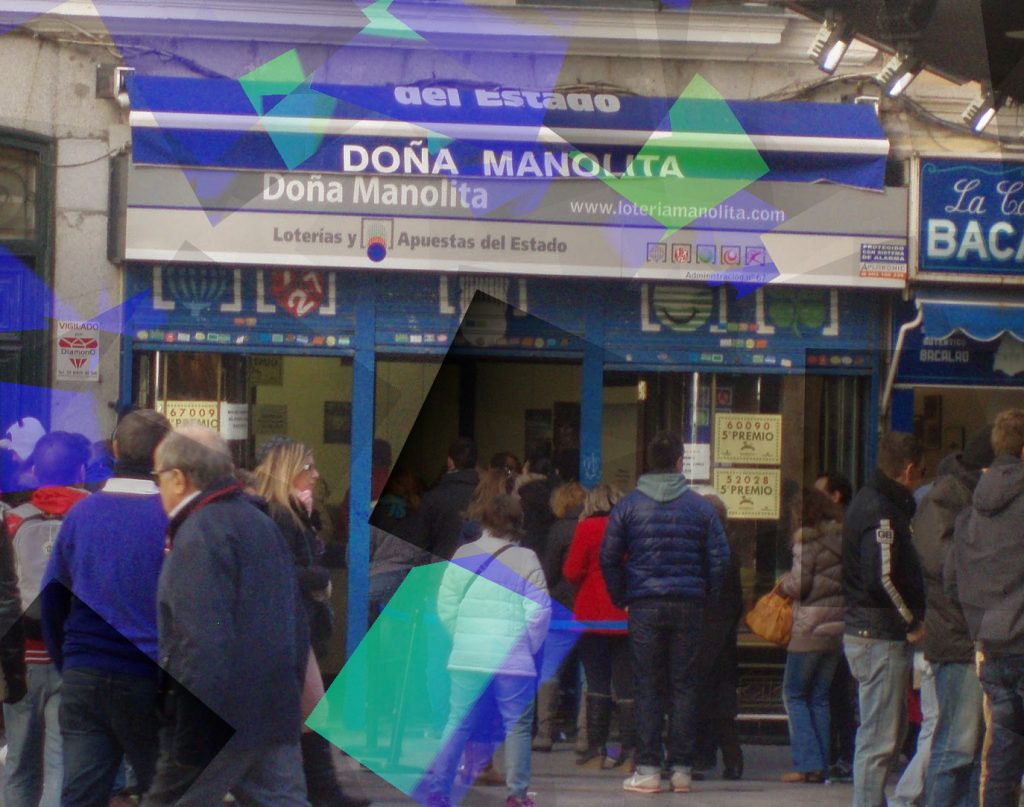
In Madrid, Doña Manolita administration sells many prizes because it’s an historic lottery shop. Actually, they sell almost a third of all numbers, attracts nationwide and tourist buyers cues, and gains media attention that drives even more customers, so its large sales share makes wins there more likely, creating a reinforcing reputation. But mathematics and probability are what they are: A number bought at Doña Manolita has the same chances as a number bought in Seville.
Christmas tradition, social pressure, fractional ownership, taxes… and the spectacle of many small wins exploit cognitive biases on TV news each year this day, encouraging play despite poor long‑term returns. Treat el Gordo lottery as entertainment, not an investment.
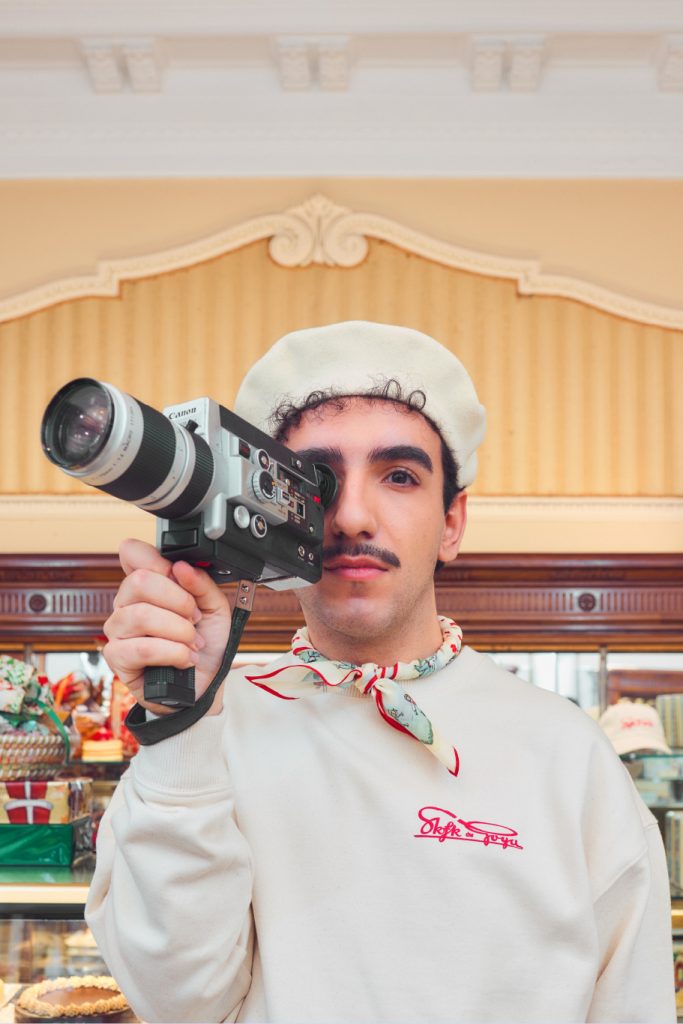
One of the key factors that sets SKFK Basque brand apart is its use of Global Organic Textile Standard (GOTS) cotton. GOTS certification ensures that the cotton used in SKFK’s products is grown without the use of harmful pesticides and chemicals. This not only protects the environment but also ensures that the cotton is safe for the workers involved in its production.
In addition to its use of eco-friendly materials, SKFK also takes steps to minimize textile waste. By reusing most of its offcuts, the brand is able to significantly reduce the amount of waste it generates. This not only helps to conserve resources but also ensures that fewer chemicals, water, and wastewater are used in production.
Another notable aspect of SKFK’s labour practices is its supply chain traceability. SKFK traces most of its supply chain, including all of the final stage of production. This means that the brand knows exactly where its products come from and can ensure that they are made under fair and ethical conditions. SKFK also conducts regular audits of its supply chain to ensure compliance with its Code of Conduct. This level of transparency and accountability is crucial in the fashion industry, where worker exploitation is unfortunately all too common.
With its great environment and labour ratings, as well as a good animal rating, SKFK is a brand that truly stands out in the world of sustainable fashion. The brand’s commitment to using eco-friendly materials, reducing waste, and ensuring fair and ethical practices throughout its supply chain is commendable.
As the fashion industry continues to grapple with its environmental and social impact, brands like SKFK serve as an inspiration and a beacon of hope. By prioritizing sustainability and ethical practices, SKFK is leading the way towards a more conscious and responsible future for fashion.
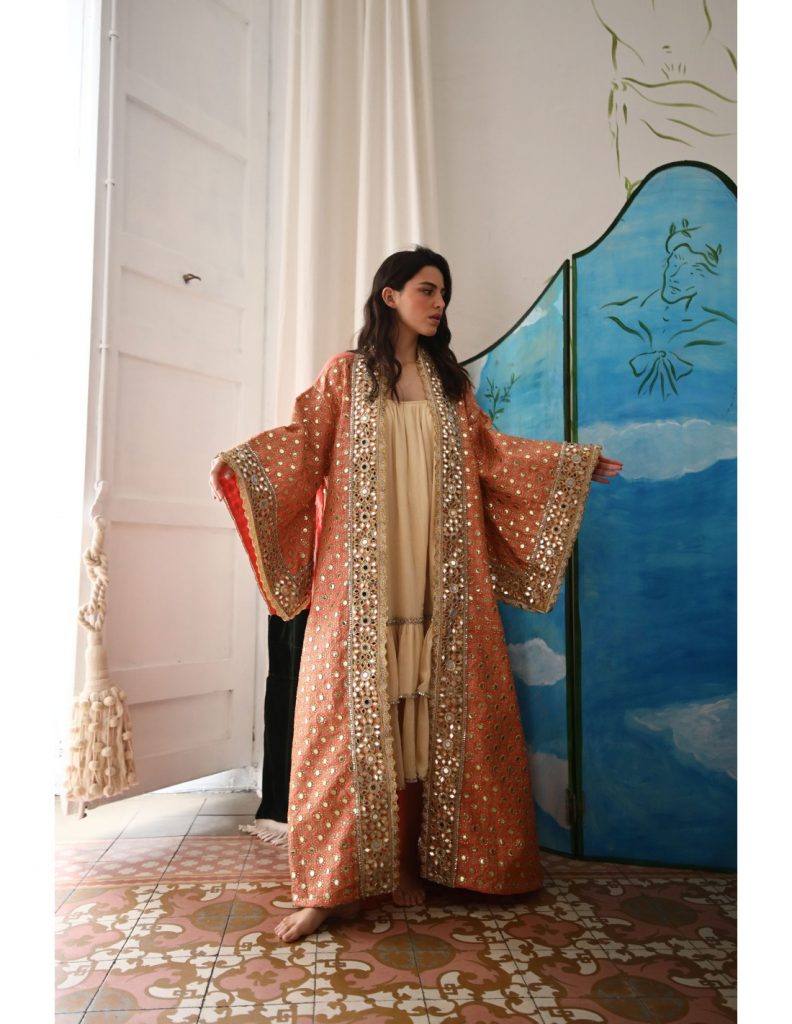
Garments with large volumes, quilted fabrics, floral prints and romantic dresses that make us want to travel back in time through fashion. All this is at the heart of Zaitegui Studio, the Basque brand created by Diana Zaitegui that will not leave you indifferent if you love vintage aesthetics.Diana literally grew up surrounded by fashion, as she is part of the second generation of the Zaitegui family, which started out running several textile shops before becoming a large family business. “I spent many afternoons of my childhood in one of my mother’s shops. Before finishing her degree, she accompanied her to different textile fairs, which made her naturally identify with the textile world, learning about fabrics, patterns, garment finishes, etc. I think that circumstance provided me with an education over many years, and I feel privileged for that,” Diana explains. That’s why she didn’t hesitate to be part of this family adventure, and in her early years she was responsible for setting up collaborations with various designers and creating capsule collections that reflected their creativity and knowledge.
Until she decided to strike out on her own and create her own brand: Zaitegui Studio. For her, “Zaitegui Studio is the result of a need I felt over the years to create something consistent with myself. I like to research, learn and within I try to develop that.” The brand’s garments somehow reflect those images related to cinema, painting and the visual arts in general that have marked the life of their creator.
Zaitegui designs often play with silhouettes, all of them imbued with a clear ladylike style, and classic garments coexist with others that are fully on trend. Natural fabrics, from silk to cotton or wool, are the designer’s favourites, and she has won hearts with her voluminous dresses that combine floral prints with sheer fabrics and embroidery.
Sustainability is also deeply ingrained in the brand’s DNA: ‘We try to promote sustainability by working with small artisans and local producers, using recyclable plant-based fabrics and avoiding surpluses through short production runs,’ explains Diana.
She is also committed to a change of pace in the industry, with the aim of making garments more durable and sustainable. And she has a clear idea of the woman she has in mind when she creates her designs: ‘A woman who enjoys fashion and life, who likes to express her feelings and moods through her image.’
Malne La Maison is the pioneering Spanish fashion company in slow fashion with author signature of the Spanish fashion scene. Its two founders, Paloma Alvarez and Juanjo Mánez, are professionals who are part of the history of fashion in our country, with extensive experience as stylists and creatives for large companies and specialized editorial titles, such as Vogue and Elle.
Since 2016, Malne La Maison has stood out for its impeccable collections, which are handcrafted in its atelier in Madrid, with haute couture techniques and materials. Their feminine silhouettes are full of personality and strength, and their shows are always a narration of the values of environmental sustainability and responsible consumption, in addition to the idealization of their own, personal and glamorous style.
Malne La Maison stands out for the good patterning of its garments, its artisanal production, piece by piece, relying on classic manufacturing and tailoring techniques, but with a high fashion, modern, unmistakable style, studied to flatter the female body. Among its most unmistakable features are its pagoda shoulder pads on the jackets, which stylize the neck and back, the bias sleeves, which achieve a graceful appearance on the arms, or its unmistakable palazzo pants.
Using high-fashion quality fabrics, Malne designers have managed to reach an audience that understands and values fashion as an art and have specialized in creating limited series and unique pieces. The prior study of each client, their personality and needs, are essential to make each purchase a unique experience and the possibility of creating a quality wardrobe that lasts over time.
At Lufe, they believe in furniture that tells stories: solid wood pieces designed to accompany everyday life with style, honesty and common sense. From their workshop in Aizarnazabal (Gipuzkoa) they work with local pino insignis, a nearby timber treated with respect: ecological, PEFC certified and sourced from plantations managed to replace what is cut. This is how they transform a living material into durable objects that feel right at home and do not take from the planet.
They design with the calculator in hand: reducing costs and avoiding intermediaries allows them to offer honest prices without sacrificing design. Each piece is born with versatility in mind, meant to adapt to different uses and to accompany changes of home and life. Practicality is not at odds with beauty; on the contrary, they aim to make authenticity: real wood, well-made joints and a warm touch accessible to more people.
Their philosophy is simple: local, universal, functional, and ecological. Local because Lufe manufactures in Gipuzkoa; universal because the designs fit many homes; functional because each piece solves multiple needs; ecological because they use fast-growing wood and responsible processes. Since 2014 they get their hands dusty with sawdust every day: cutting, sanding, and assembling themselves with the same curiosity that gave rise to the brand.
The result is furniture that seems modest but withstands real life: beds, sofas, tables, and storage designed for daily use, for moves, for children, and for quiet moments. Furniture that does not ask permission to be used, that ages gracefully and with Lufe marks and texture, tells the stories of a lived home.
For those looking to furnish with purpose, without fuss and with a sustainable outlook, they offer an alternative: honest design, fair prices, and real wood, made close to home to last and to be enjoyed.
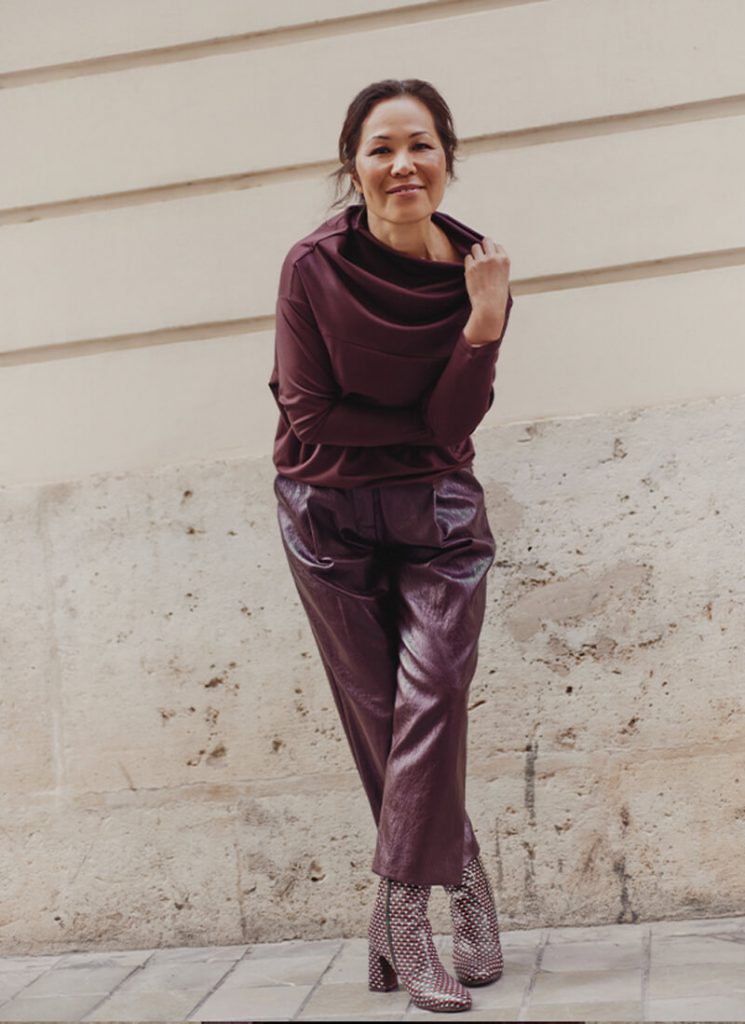
Chie Mihara’s designs feel like an invitation: part-story, part-structure, wholly personal… Born in Porto Alegre, Brazil, to Japanese parents, Chie’s creative path is defined by movement, literal journeys from Brazil to Japan to New York and finally, Spain. The result is footwear, bags and fashion that reads luxurious yet approachable, artisanal yet modern.
A designer trained across continents, Chie studied fashion design in Fukuoka and sharpened her craft under Junko Koshino in Tokyo. She then studied accessory design at FIT in New York and worked in the city’s footwear industry before settling in Spain to pursue Made in Spain quality and craft. That layered education Asian discipline, American creativity, European savoir-faire… is evident in every silhouette: from meticulous construction to unexpected details.
What sets Chie Mihara apart is a refusal to chase trends. Her work is less about seasonal diktats and more about personal truth. Each shoe is a direct translation of her vision and values: authentic, free, and expressive. Whether a sculptural heel, a gently worn leather finish, or an offbeat colorway, Chie’s pieces are designed for people who want their footwear to say something about who they are. And if someone hasn’t yet claimed that voice, her shoes are an invitation to discover it.
Her manifesto: “There is nothing more powerful than being yourself, validating who you are, and living with authenticity” is more than copy; it’s the guiding principle behind every collection. The brand’s aesthetic champions individuality: crafted objects that reward attention, wear well over time, and encourage self-expression.
Chie’s creativity is not limited to shoes. She works across bags, clothing, photography, sculpture, and interiors, an interdisciplinary approach that enriches her design language. That breadth shows in details: an architectural strap, a tactile leather treatment, a proportion that feels unexpectedly right. The result is wear that functions as both utility and little pieces of art.
For the fashion-conscious who value craft, personality, and subtle rebellion against fast-fashion uniformity, Chie Mihara offers a compelling alternative. Her pieces are for those who prefer to build a wardrobe of character: thoughtful, durable, and unmistakably personal.
Draco Tienda is a Spanish comic shop based in Motril that stands out for its curated selection of role games, manga and graphic novels, making it a reliable reference for readers and collectors around the world. The shop blends mainstream and independent titles with Spanish-language editions and carefully sourced imports, so international customers can find both regional releases and hard-to-find editions. Knowledgeable staff provide expert recommendations on series, authors, special editions, and collectible issues, and the shop regularly follows new releases and acquires limited or collector’s editions when available.
Draco Tienda supports online orders and international shipping; while shipping costs, delivery times, and import taxes vary by destination, the shop can confirm stock and shipping options directly to ensure a smooth purchase. For collectors seeking Spanish editions or rare imports, Draco Tienda’s event participation, author signings, and community engagement help maintain close ties with readers and creators. Before placing a large international order it’s wise to contact the shop to verify availability, pricing and return policy. Or Contact us if you have any special request.